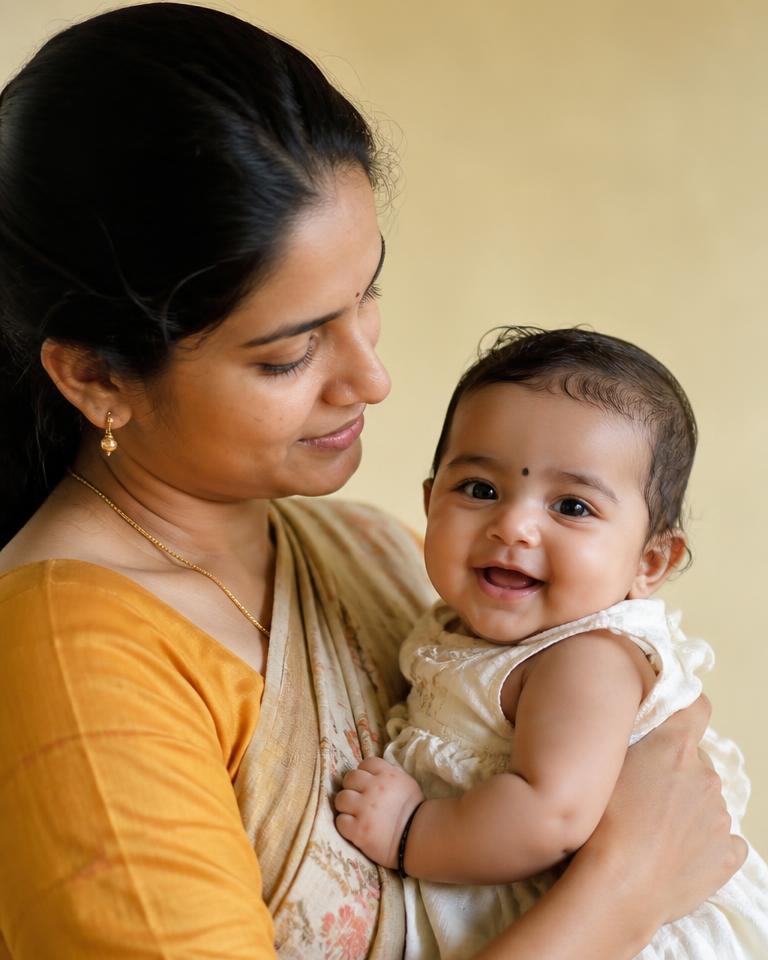
 Age 0–2
Babies
First teeth, gum care and guidance for parents on feeding, bottles and brushing.
Kejriwal Clinic|Advanced Orthopaedics & Dental Centre

Designed for children. Trusted by parents.
Children's dental care at Kejriwal Clinic is built around calm, painless visits. Every step is explained first, the pace follows your child, and comfort comes before everything else.
No surprises. Ever.
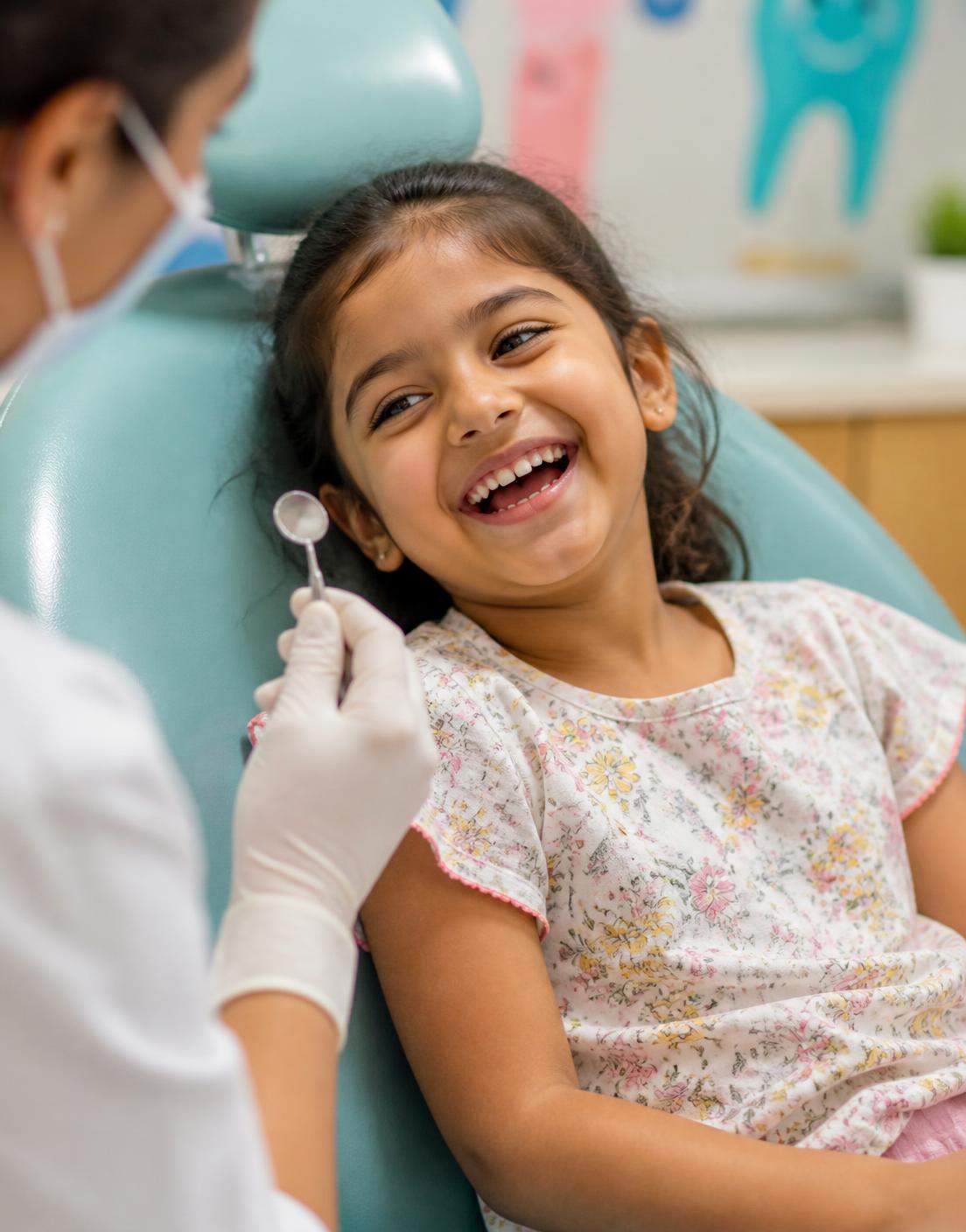
The first visit
Mostly it is about familiarity. A child who has had one easy visit finds every visit afterwards easier.
Keep it light at home. Say we're going to count teeth — avoid words like pain, needle or drill, even while reassuring.
Your child sees the room, the chair and the little mirror. Nothing goes near their mouth until they are ready.
A gentle look at teeth, gums and bite, plus how the jaw is growing and whether new teeth are coming through well.
What we found, what to watch for, and simple brushing and diet steps for home — in plain language.
We agree when to come back. Familiar, regular visits are what keep children relaxed in the chair.
What a child needs changes quickly — from a baby's first tooth to a teenager taking charge of their own brushing.
Age 0–2First teeth, gum care and guidance for parents on feeding, bottles and brushing.
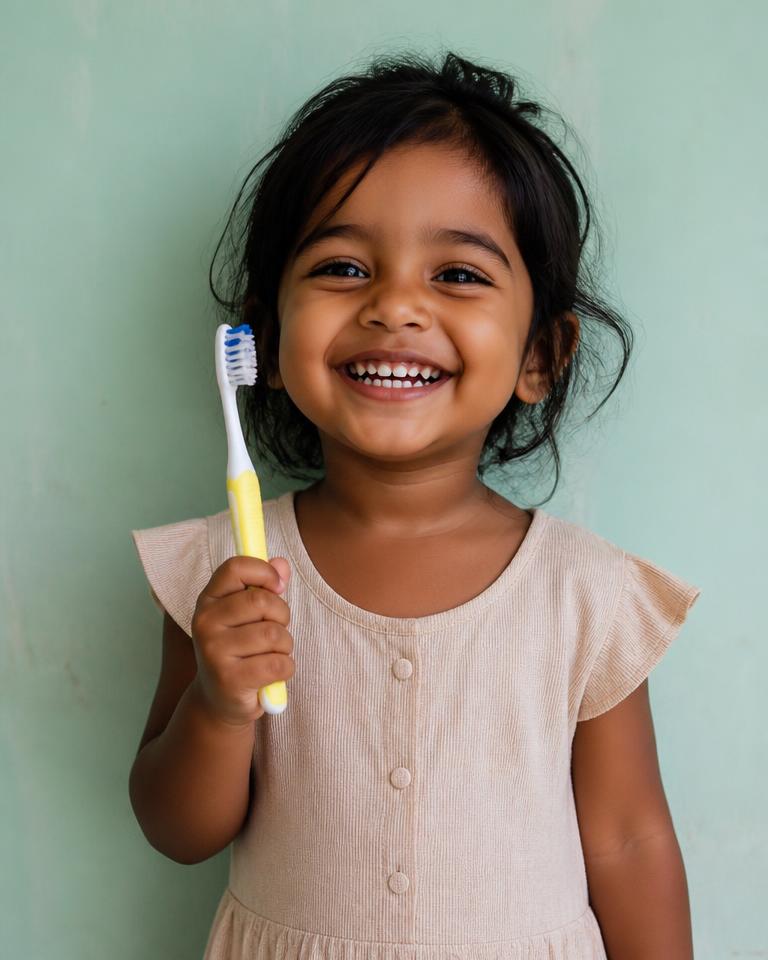 Age 3–5
Short, friendly visits while brushing habits form, plus early prevention for baby teeth.
 Age 6–12
Cavity care, fluoride, sealants and keeping an eye on the developing bite.
 Age 13+
Alignment, cosmetic concerns and support in taking charge of their own oral care.
Everything we do for children, explained in one place. For anything specific to your child, call the clinic and our team will talk it through with you.
A calm, unhurried introduction to the dentist.
A first visit is mostly about familiarity. Your child meets the room, the chair and the dentist, and nothing happens before it has been explained in words they understand.
Regular gentle checks that catch problems early.
Routine checkups let small problems be found while they are still small. They also keep children comfortable with the idea of visiting the dentist.
Comfort-first care for little teeth.
When a cavity is found, treatment is kept as gentle and short as possible. We explain each step first and stop whenever a child needs a pause.
Simple preventive protection for growing teeth.
Fluoride strengthens enamel against decay, and sealants cover the deep grooves of back teeth where a toothbrush struggles to reach. Both are quick, painless and preventive.
Guidance on bite and alignment as your child grows.
Crowding, gaps and bite problems are easier to guide while the jaw is still growing. An early assessment tells you whether to treat now or simply monitor.
What to do when a child has dental pain or injury.
Knocked-out teeth, chipped edges, swelling and sudden pain all need prompt attention. Call the clinic during opening hours and we will guide you on what to do next.
At home
A checkup finds problems; daily habits prevent them. These are the things that make the biggest difference for children's teeth.
Dental emergency
Call the clinic during opening hours. Keep a knocked-out permanent tooth moist in milk and hold it by the crown, use a cold compress for a knock, and rinse gently with water.
A few of the ones we hear most often about children. General questions about the clinic are answered further down the page.
Book a short familiarisation visit with nothing planned but a look around. Keep your own language neutral at home, come earlier in the day when they are rested, and let them bring a favourite toy. Children take their cue from the adult with them.
Yes. Baby teeth guide the adult teeth into position and are needed for chewing and speech. Decay in them can cause genuine pain and infection, and can affect the tooth developing underneath.
Both are long-established preventive measures. Fluoride varnish is painted on in seconds; sealants flow into the deep grooves of back teeth and set. Neither involves drilling or injections. Whether they are advised depends on your child's decay risk.
An assessment around ages seven to nine is useful, because crowding and bite problems are easier to guide while the jaw is still growing. That assessment often ends in monitoring rather than treatment.
Good to know
General guidance for patients and parents. For anything specific to you or your child, call the clinic on +91 84001 06777 — we are happy to talk it through.
Tell us what you need and our team will help you choose a comfortable appointment time — for you, or for your child's first visit.
We'll help you find a good time.
Mon–Sat: 9:00 AM – 7:00 PM